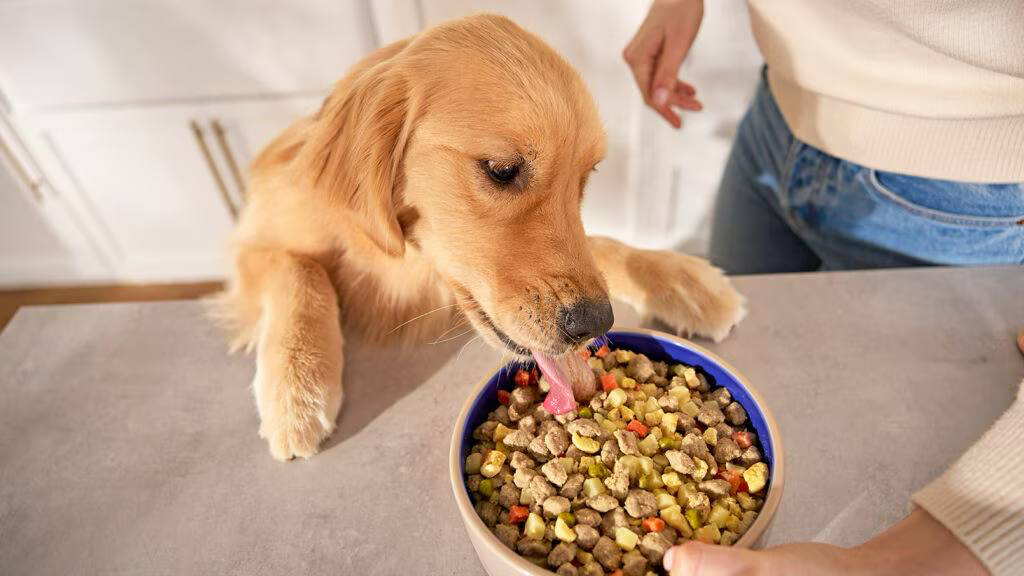
Is Kibble Really the Best Choice for Your Dog?
June 26, 2026
Kibble has become the most common way to feed dogs because it's convenient, affordable, and has a long shelf life. But convenience doesn't always mean it's the best option for every dog.
How Kibble Is Made
Most kibble is made by combining protein sources, starches, fats, vitamins, and minerals into a dough that is cooked at high temperatures before being dried into the familiar crunchy pieces. This process creates a shelf-stable food, but it also means the ingredients are heavily processed.
When Kibble Works Well
For many dogs, a quality kibble provides complete and balanced nutrition. However, not all kibbles are made the same. Some contain higher-quality ingredients than others, and some dogs may thrive on fresh foods or require a different diet because of allergies, digestive issues, or other medical needs.
The Case for Fresh or Homemade Food
Homemade meals give owners something kibble can't: complete control over the ingredients. You know exactly what goes into your dog's bowl — fresh meat, vegetables, and other wholesome foods without unnecessary fillers or artificial flavors if you choose not to use them.
Fresh ingredients can also make meals more appealing for picky eaters and allow recipes to be tailored to a dog's age, activity level, or health needs. That said, homemade diets must be carefully balanced. Feeding only meat, rice, or vegetables can leave a dog deficient in essential nutrients over time.
The Bottom Line
Whether you choose kibble, homemade food, or a combination of both, the goal should always be the same: a diet that is complete, balanced, and appropriate for your dog's individual needs.
Want more like this?
Join the Purrfectly Adorable Pack
Get personalized vet-approved recipes, weekly tips, and a community of pet parents who get it.
See Membership Plans